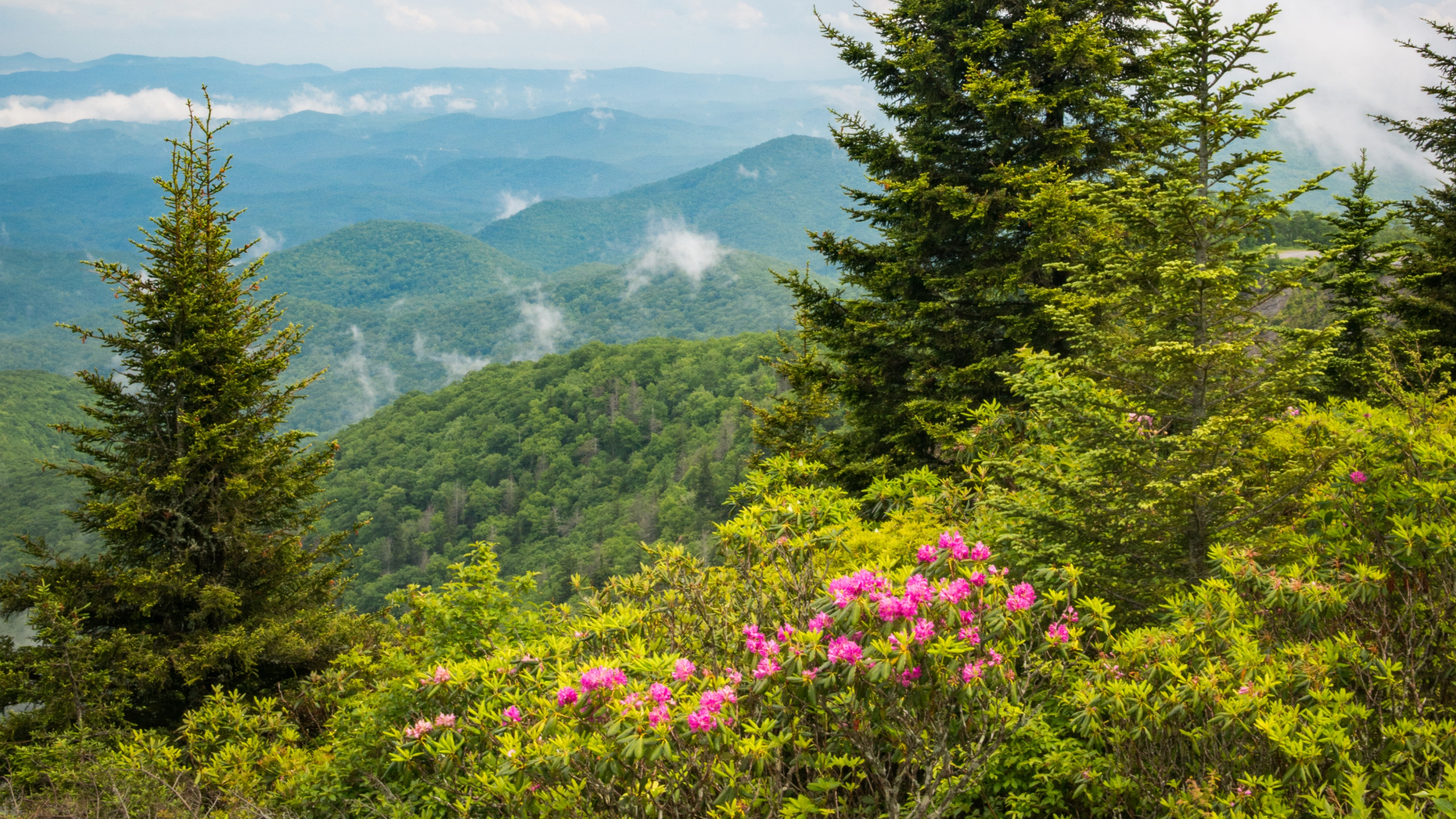
You’ve been hearing about the Smoky Mountains for years. Maybe a friend posted one of those impossibly beautiful photos—wildflowers spilling down a hillside, morning mist drifting through the ridgeline, a hot tub steaming against a backdrop of ancient green peaks. And every time you see it, you think: we need to go.
But when? Summer is packed. Fall foliage is gorgeous, but the leaf-peeper crowds can turn a peaceful drive into a parking lot crawl. December is magical, but you’re not sure you want to navigate mountain roads in January. So when is the sweet spot?
We’re going to make the case—as people who live and breathe the Smokies—that April is it. It’s the month when the mountains wake up in full color, the trail parking lots haven’t yet hit summer overflow, cabin rates sit below peak, and the weather is genuinely wonderful for hiking, exploring, and sitting on a deck with your dog and a cup of coffee while the valley fog burns off below you.
Here’s everything you need to know to plan your perfect April trip to the Great Smoky Mountains.
1. The Wildflowers: Nature’s Most Underrated Show
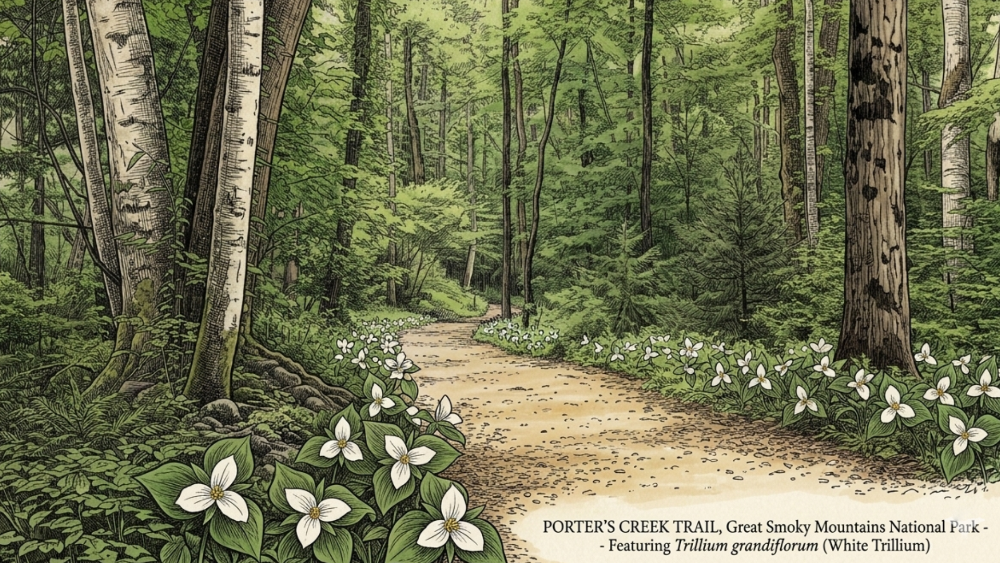
Most people think of fall foliage when they picture the Smokies at their peak. But locals know the secret: April wildflowers are every bit as spectacular—and far fewer people make the trip to see them.
Great Smoky Mountains National Park protects more than 1,500 species of flowering plants, earning it the nickname “The Wildflower National Park.” Every spring, the mountains put on a staggered bloom that travels upward from the lower valleys to the high ridges, meaning peak color can last for weeks rather than days.
RELATED: When Do Wildflowers Bloom in the Smoky Mountains? Week-by-Week Guide
What’s blooming in April
Early April (weeks 1–2) brings the lower-elevation bloomers out in force:
- Trout lilies carpet the forest floors along easy trails like Cove Hardwood Nature Trail in Cades Cove
- Violets and spring beauties fill sunny gaps along the Roaring Fork Motor Nature Trail
- Serviceberry trees produce white blossoms that dust the ridgelines like late snow
By mid-to-late April, the show moves higher and gets bolder:
- Wild geraniums, phacelia (sometimes called “bluebells of the Appalachians”), and bloodroot appear along Porters Creek Trail—one of the most photogenic wildflower hikes in the entire park
- Redbud trees explode in magenta along lower roads and in towns like Gatlinburg and Pigeon Forge
- Dogwood trees—the official Tennessee state tree—hit full bloom and frame every mountain view in soft white and pink
The Smokies even host an official Wildflower Pilgrimage each spring—a multi-day festival of guided hikes, photography walks, and nature programs led by park rangers and naturalists. It’s worth checking the park’s schedule and registering early if you want a guided experience.
Pro Tip: Download the iNaturalist app before your trip. You can identify wildflowers in real-time on the trail and contribute to citizen science data that helps protect the park—and it turns every hike into an interactive treasure hunt for kids.
2. April Weather: That Perfect Hiker’s Sweet Spot
One of the most common questions we hear is: “Will it be cold in April?” The answer is nuanced—and the nuance is actually great news.
Temperature breakdown
In Pigeon Forge and Gatlinburg (elevation roughly 1,300–1,500 feet), April daytime highs typically settle into the mid-60s°F, dropping to the mid-40s overnight. That means mornings are brisk and crisp—perfect for hot-tub soaks before you head out—while afternoons warm up beautifully for hiking, exploring the strip, or grabbing lunch on a patio.
At higher elevations like Clingmans Dome (6,643 feet), temperatures run about 10–20 degrees cooler than the valleys. A light jacket or fleece is essential if you’re heading to the high country. That same elevation difference is also why you’ll see snow on the peaks while wildflowers bloom in the valleys below—one of the most surreal and stunning contrasts the Smokies have to offer.
What about rain?
April in the Smokies averages about 5 inches of rainfall, spread across roughly 12 rain days per month. That sounds like a lot, but consider two things: first, most rain arrives in short, intense afternoon showers rather than all-day soakers. Second, those rainy mornings are when the famous Smoky Mountain mist rises off the ridges like slow-motion breath—the look that inspired the park’s name and makes for the most dramatic photographs of the entire year.
A waterproof layer and a flexible itinerary go a long way in April. If it rains in the morning, sleep in, make breakfast in the cabin, and let the clouds clear before you hit the trails. The park is often less crowded during and right after rain—one of those insider secrets that rewards flexible travelers.
Packing Note: Layers are everything in April. Start mornings in a fleece, peel down to a t-shirt by lunch, and pack a light rain jacket for afternoon showers. Your dog will love the cool morning temps for trail walks—just bring a towel for muddy paws before you pile back into the cabin.
3. The Crowds (or the Wonderful Lack Thereof)
Here’s a hard truth about visiting the Smokies in peak summer: the Great Smoky Mountains National Park draws over 12 million visitors per year. On a busy July Saturday, Clingmans Dome Road can back up for miles. Parking lots at popular trailheads fill before 9 AM. Restaurants in Gatlinburg have hour-plus waits by 6 PM.
April is different.
Why April beats the summer crowds
Spring break—which brings the biggest April wave of visitors—typically runs from mid-March through the first week of April in most school districts. By the third and fourth weeks of April, families are back in school and the park settles into a beautiful rhythm of shoulder-season calm.
What does that mean practically? It means you can pull into the Laurel Falls trailhead parking lot at 9 AM and actually find a spot. You can walk the Alum Cave Trail without a bottleneck of hikers. You can get a table at your favorite Gatlinburg restaurant without a reservation. The experience feels spacious, unhurried—the Smokies the way they’re meant to be experienced.
The one exception worth planning around: if Easter weekend falls in late April that year, expect a short surge in family travel for that holiday weekend. Book early and you’ll be just fine.
Wildlife is more active in April
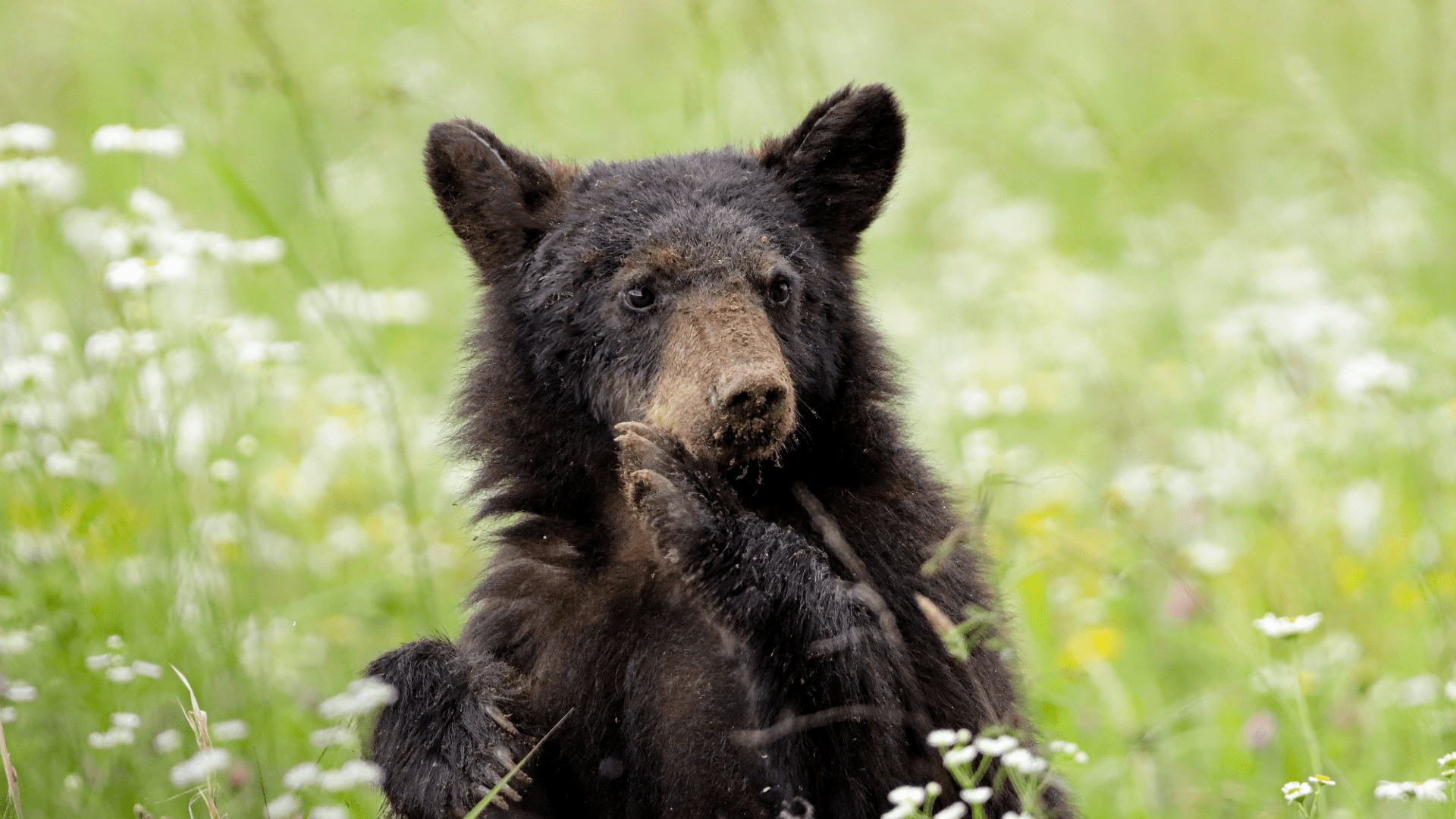
Spring is when the Smokies come alive in every sense. Black bears emerge from their dens and can often be spotted foraging in Cades Cove, particularly in early morning and evening. White-tailed deer are abundant. Wild turkeys strut along roadsides. Synchronous fireflies—one of the most extraordinary natural events in North America—begin their earliest appearances in late April in the lower elevations, before the lottery-ticketed peak event in late May.
Early risers in April are often rewarded with wildlife sightings that summer crowds simply scare off. If you’ve never done the Cades Cove loop road at 7 AM on an April morning, it belongs on your bucket list.
4. The Savings: Real Money Back in Your Pocket
Timing your trip right doesn’t just mean better weather and thinner crowds—it can also mean significantly lower costs across the board.
Cabin rental rates
April sits firmly in what the vacation rental industry calls “shoulder season”—the sweet spot between winter slow season and summer peak. That translates into real savings on cabin rates, often 20–30% lower than what you’d pay for the same property on a July Fourth weekend.
At Hapey Cabin Rentals, you’ll find that mid-week April stays in particular hit the best value window. A cabin that would be $250+ per night in peak summer might be available at $179 per night in the second or third week of April. Run that across a five-night trip and you’re talking meaningful savings—money that’s better spent on a Dollywood day, a nice dinner in Gatlinburg, or a float trip on the river.
Dining and attractions
Restaurants in Pigeon Forge and Gatlinburg operate at full swing in summer, but staffing, wait times, and even some menu pricing reflect peak demand. In April, you’re more likely to waltz into a popular local spot without a wait and enjoy a meal at a relaxed pace. Several area attractions—including Dollywood’s Flower & Food Festival, which typically runs in late April through early June—offer some of their best programming during this period.
No park entry fee
Great Smoky Mountains National Park remains one of the only major national parks with no entry fee—a fact worth celebrating every time you roll through the gate. That’s a significant cost advantage over visiting parks like Yellowstone or Zion. Your biggest variable expenses are lodging, dining, and optional attractions.
5. Best April Hikes in the Smokies (For Every Ability Level)
April transforms the trails. The summer humidity that can make lower-elevation hikes feel like a sauna hasn’t arrived yet. The leaves are budding—enough green to feel lush, but not so thick that you lose the mountain views that bare winter trees provide. It’s a genuinely magical time to be on the trail.
Easy: Cove Hardwood Nature Trail
Located in Cades Cove, this 0.75-mile loop is one of the best wildflower hikes in the park for families with young kids or anyone who wants big payoff for low effort. In April, the forest floor erupts with trout lilies, trillium, and spring beauties. Paved parking, flat terrain, and absolutely gorgeous old-growth forest. This one’s magic.
Moderate: Porters Creek Trail
This 4-mile out-and-back (to the old homestead) follows a historic wagon road through a forest famous for its spring wildflower displays. You’ll find phacelia in drifts that look like blue-purple snow along the creek banks in mid-to-late April. The trail is popular but not crowded like Alum Cave in summer, and the wildflowers reward the effort many times over.
Challenging: Alum Cave Trail
This 4.4-mile round-trip to Alum Cave Bluffs is one of the park’s most rewarding moderate-to-difficult hikes. In April, the trail runs below Arch Rock before opening onto stunning views and the dramatic overhanging bluff. You can continue to the summit of Mount LeConte for a full 11-mile day—one of the best full-day hikes in the entire Southeast. Spring water levels make the creek crossings a bit feisty, but the scenery is extraordinary.
Dog-friendly option: Gatlinburg Trail
One of only two trails in the national park where leashed dogs are permitted, Gatlinburg Trail runs 1.9 miles one way from the Sugarlands Visitor Center into the Gatlinburg arts district. It follows the West Prong of the Little Pigeon River with multiple photo-worthy spots and shaded sections your pup will love on a warm afternoon. This is the trail Hapey guests take their dogs on again and again—flat, beautiful, and dog-approved.
6. Things to Do in April Beyond the Trails
The national park is the crown jewel, but the surrounding communities of Pigeon Forge, Gatlinburg, and Sevierville offer a full slate of April activities that round out a perfect trip.
Dollywood’s Flower & Food Festival
Dollywood’s spring festival typically launches in late April and is widely considered the best-value time to visit the park. Thousands of flowers transform the grounds, regional food vendors set up across the park, and the spring crowds are still manageable compared to summer peak. If you’ve never been, April gives you the full Dollywood experience without the midsummer waits.
Explore Gatlinburg’s Arts Scene
Gatlinburg is home to one of the most concentrated collections of artisan studios in the Southeast, anchored by the Arrowmont School of Arts and Crafts. April is an excellent time to browse galleries, watch working artists, and pick up something handmade and meaningful to take home. The downtown strip is lively without being overwhelming—very different from August.
Scenic drives that you can actually enjoy
In summer, Newfound Gap Road—the main trans-mountain highway through the park—can back up significantly near overlooks. In April, you can pull off at any overlook on a whim, get out, breathe in the mountain air, and actually linger. The loop through Cades Cove (open to cars on certain days of the week) is particularly spectacular on spring mornings when the valley mist is still settling.
Tubing and river activities
The Little Pigeon River running through Gatlinburg and the Pigeon River below the national park both offer tubing and whitewater opportunities. April water levels run higher and faster than summer, making this a particularly exciting time for couples or adventure-seeking groups looking to add some adrenaline to their trip. Check out our Smoky Mountain Deals page for special pricing for our Hapey guests.
7. Bringing Your Pet to the Smokies in April

If you’re traveling with a dog—and so many of our guests are—April is honestly the best month of the year for it. Here’s why:
- Trail temperatures: Cooler air means longer, more comfortable hikes without overheating concerns. Your dog can cover more ground and enjoy it more than in summer heat.
- Fenced yard mornings: Step out of the cabin into the fenced yard, coffee in hand, while your dog races figure-eights through the cool spring grass. It’s the kind of morning that makes vacation feel like vacation.
- Less crowded trails: The Gatlinburg Trail, Oconaluftee River Trail, and pet-friendly areas of Cades Cove are less congested in April, making leashed walks calmer and more enjoyable.
- Wildflower sniffing: Dogs love wildflower season, apparently. Something about April in the mountains just sends tails into overdrive.
At Hapey Cabin Rentals, every property is fully pet-friendly with a fenced yard—no breed restrictions, no pet fees, no surprise charges on checkout. That’s our Pet Paradise Promise. We believe your dog is part of the family, and they should be able to enjoy the mountains without anyone making you feel otherwise.
8. Hot Tub Season Is Year-Round, but April Has the Best Ambiance
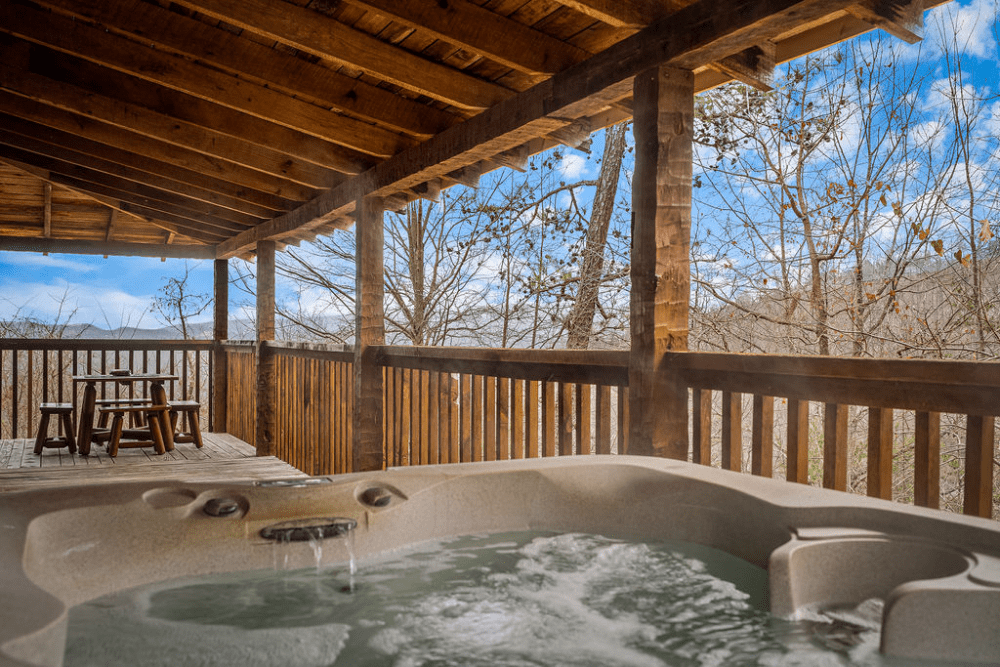
There’s a specific kind of magic that happens when you’re sitting in a hot tub on an April evening in the Smoky Mountains.
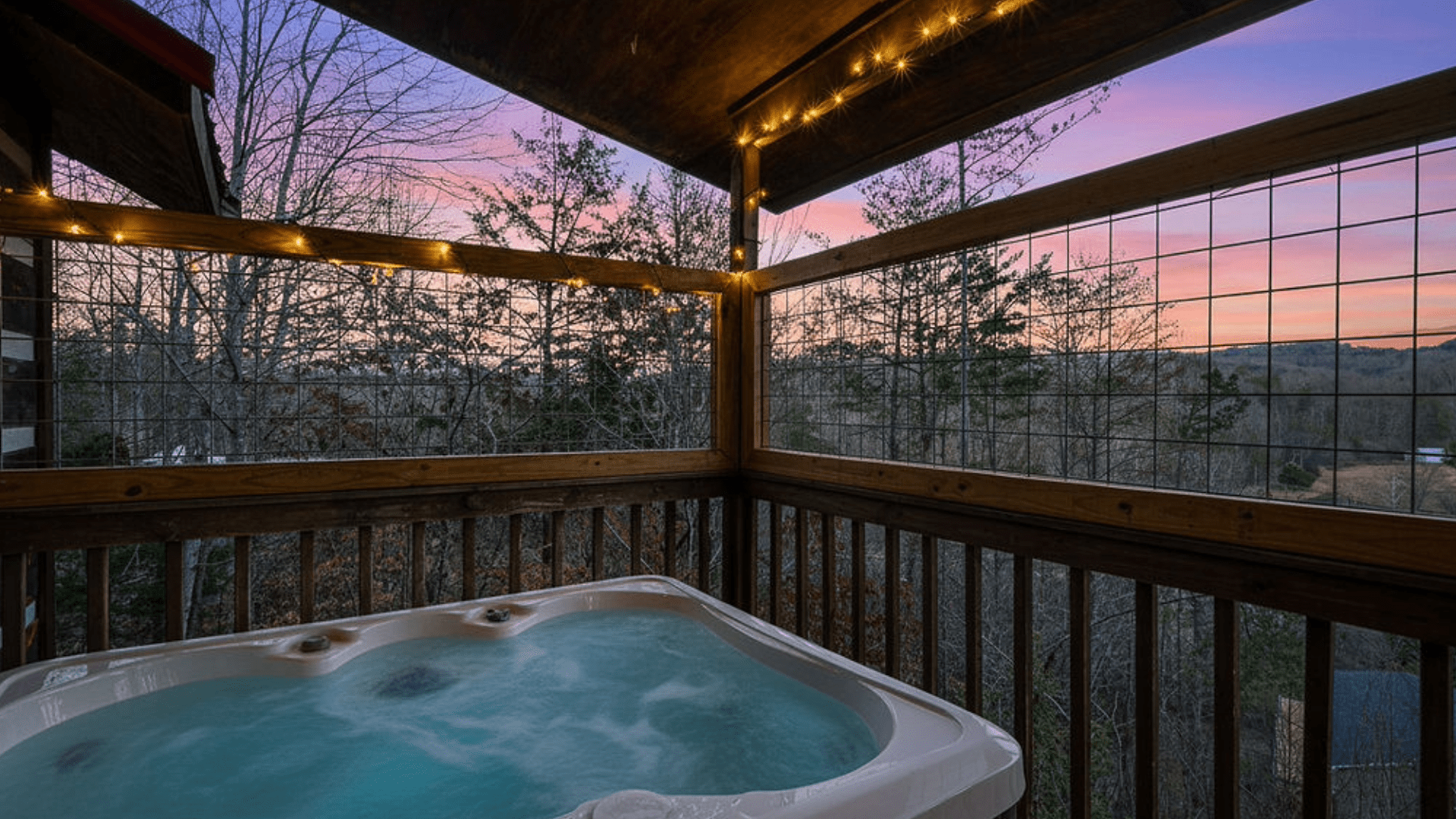
The air temperature is hovering around 50°F. Steam rises off the water in soft curls. The tree frogs and peepers have started their spring chorus—the sound is almost unbelievably loud for such small creatures. The stars are sharp and bright above because the summer haze hasn’t arrived yet. Your dog is curled up on the deck beside you.
This is the version of the Smokies that makes guests call us and say, “We’re already planning our next trip.”
All six Hapey Cabin Rentals properties include private outdoor hot tubs. They’re maintained and inspected before every guest arrival as part of our Clean-Cabin Guarantee. When you step in on your first evening, the water is ready—this is your welcome to the mountains.
9. Planning Your April Trip: A Quick-Start Checklist
Ready to make it happen? Here’s how to set yourself up for a perfect April trip:
- Book accommodations early: Despite being shoulder season, April’s reputation is growing. The best cabins for the most popular April dates (especially Easter weekend and the final weeks of spring break) book 60–90 days out.
- Check the wildflower bloom reports: The park service updates bloom status on its website and social media as spring progresses. Late April is usually peak for mid-elevation species.
- Pack in layers: Mornings in the 40s, afternoons in the 60s. A fleece, a rain jacket, and comfortable hiking shoes cover 90% of April scenarios.
- Reserve Dollywood tickets in advance: If you plan to visit the park, online advance tickets save you money and skip the gate lines.
- Plan wildlife-viewing for dawn and dusk: Cades Cove wildlife activity peaks in the first and last hour of daylight. Set that alarm—it’s worth it.
- Download offline maps: Cell service in the national park is spotty. Download the park’s AllTrails maps before you leave the cabin WiFi.
- Build rain-day plans: Have a couple of Gatlinburg favorites in your back pocket for slower mornings—a breakfast spot, an indoor attraction for the kids, a coffee shop where you can plan your afternoon.
Your April in the Smokies Starts Here
There’s a reason we talk about April with a little extra enthusiasm. It’s the month that makes locals smile and say, “This is my favorite time of year up here.” The wildflowers are doing things that feel impossible. The trails are open and uncrowded. The evenings are made for hot tubs and mountain quiet. And your dog is going to lose their mind over the fenced-yard mornings.
Hapey Cabin Rentals has six fully pet-friendly cabins in Pigeon Forge, Gatlinburg, and Sevierville—most with a fenced yard, private hot tub, full kitchen, arcade games, and our No-Surprise Pricing guarantee. We don’t charge pet fees—not one cent. We don’t have breed restrictions. And we genuinely love hosting families who want to do the Smokies right.
April fills up faster than people expect. If you’re thinking about it, now is the time to check availability.
Frequently Asked Questions About Visiting the Smokies in April
Is April a good time to visit the Smoky Mountains?
Yes—April is one of the best times to visit the Great Smoky Mountains. You get peak wildflower season, comfortable hiking temperatures, lower cabin rates than summer, and smaller crowds at popular trails and attractions. The tradeoff is some afternoon rain, but it’s rarely an all-day event.
What is the weather like in the Smoky Mountains in April?
In the valley towns of Pigeon Forge and Gatlinburg, April daytime highs average in the mid-60s°F with overnight lows in the mid-40s. Higher elevations run 10–20 degrees cooler. Pack layers and a light rain jacket. Rain is common but typically falls in shorter afternoon bursts rather than all-day events.
When do wildflowers peak in the Smokies?
Wildflower timing varies by elevation and species. In the lower valleys and along the Roaring Fork area, peak blooming often occurs in early-to-mid April. Mid-elevation trails like Porters Creek see peak wildflowers from mid-to-late April. Higher-elevation species continue blooming into May. The park’s wildflower pilgrimage is typically held in late April.
Are the Smoky Mountains crowded in April?
April is significantly less crowded than summer or peak fall foliage season. Spring break (typically mid-March through early April) brings some family travel, but by the third and fourth weeks of April, crowds thin considerably. Easter weekend can be an exception if it falls in late April—book ahead for that specific weekend.
Are pets allowed in Great Smoky Mountains National Park?
Pets are allowed in the national park but must remain on a leash (maximum 6 feet) at all times. They’re permitted in parking areas, campgrounds, picnic areas, and on two designated trails: the Gatlinburg Trail and the Oconaluftee River Trail. Most hiking trails in the park are not pet-friendly. If you’re traveling with a dog, staying in a pet-friendly cabin gives you easy access to both the park trails and private outdoor space for your pet.
What are the best hikes for April in the Smoky Mountains?
For wildflower hikes, Porters Creek Trail and Cove Hardwood Nature Trail are top picks. For views, the Alum Cave Trail to Alum Cave Bluffs delivers big payoff for moderate effort. With dogs on leash, the Gatlinburg Trail is the best option within the park. All are best visited early morning or on weekdays to avoid the most popular parking areas.