There’s a moment every fall; usually a Tuesday afternoon in early October — when you step out onto a cabin porch in the Smokies, coffee in hand, and the ridgeline in front of you has gone gold and red overnight. The air smells like woodsmoke and fallen leaves. Somewhere below, your dog is already nose-deep in a pile of leaves in the fenced yard, and the hot tub is still steaming from last night. That’s the moment people plan their whole year around.
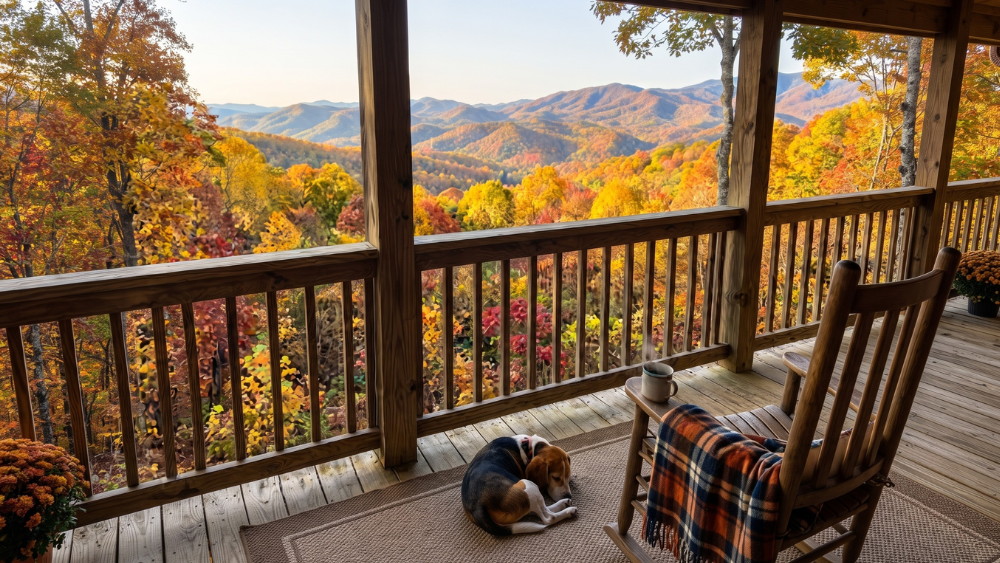
If you’re weighing a fall trip to Pigeon Forge, Gatlinburg, or Sevierville, this guide covers everything: when to go, where to stay, what to pack, what’s worth doing, and how to plan around the crowds so your trip feels relaxed instead of rushed. We’ll also point you to deeper guides on foliage timing, driving tours, and fall events as we go, so you can plan at whatever level of detail you need.
Why Fall Is the Smokies’ Worst-Kept Secret
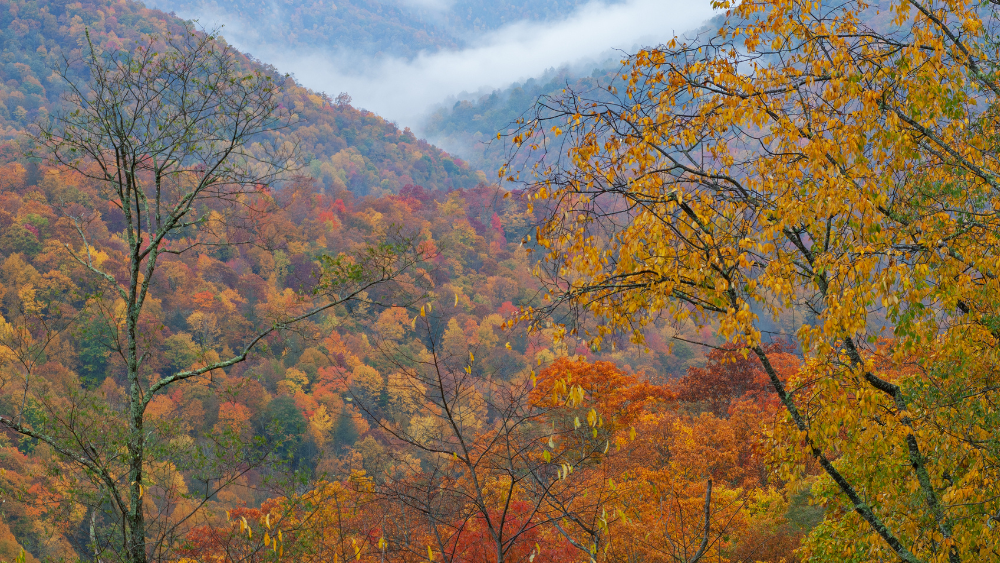
Summer gets the crowds and spring gets the wildflowers, but locals will tell you fall is when the Smokies really show off. The Great Smoky Mountains National Park — the most-visited national park in the country — puts on one of the longest, most varied foliage displays in North America, thanks to over 100 tree species spread across a 5,000-foot elevation range. That range means the show doesn’t happen all at once. It rolls downhill over roughly six weeks, so you get weeks of color instead of a few frantic days trying to catch a peak.
It’s also, frankly, a more comfortable trip. The brutal humidity of July is gone. Mornings are crisp enough for a flannel, afternoons are still warm enough for the hot tub, and the black bears and elk are more active as they prepare for winter, which means better (still respectful, always-from-a-distance) wildlife viewing along Cades Cove and Cataloochee.
When to Go: A Month-by-Month Breakdown
Early September feels like late summer with better light. Green still dominates at lower elevations, but you’ll catch a few early sourwoods and dogwoods turning red along the ridgelines. This is the shoulder-of-the-shoulder-season — smaller crowds, lower rates, and the park’s summer heat has already broken.
Late September into early October is when color starts climbing down from the highest elevations (think Clingmans Dome and Newfound Gap, above 5,000 feet). If you’re chasing color and want to beat the biggest crowds, this window is a favorite among people who’ve done the trip before.
Mid-to-late October is peak season — both for color and for crowds. The valley floors around Gatlinburg, Pigeon Forge, and Cades Cove typically hit peak color in this window, and it is, without exaggeration, the busiest stretch of the year in the Smokies. Traffic on Highway 441 through the park can crawl. Book early, plan your park visits for early morning, and budget extra drive time everywhere.
Early-to-mid November brings the last of the lower-elevation color, thinner crowds, and often some of the best deals of the year on cabins. The leaves are past peak but the mountains take on a beautiful bare, structural quality, and it’s a favorite window for people prioritizing peace and quiet over photo-perfect foliage.
Exact timing can shift year-to-year based on rainfall and temperature so check local forecasts first to be sure.
Choosing Your Home Base: Pigeon Forge, Gatlinburg, or Sevierville
All three towns put you within striking distance of the national park, but they each have a different personality in the fall.
Gatlinburg sits right at the park entrance, which makes it the pick if you want to be first in line at Cades Cove or on the trail to Chimney Tops before the crowds arrive. It’s also the most walkable downtown of the three, with a genuinely charming main strip once the leaves turn.
Pigeon Forge is the entertainment hub — Dollywood’s Harvest Festival, live shows, and a wider range of dining make it the easiest sell for a group with mixed interests (or a partner who isn’t quite as into hiking as you are). It’s typically a few minutes farther from the park entrance than Gatlinburg, but that trade-off comes with more elbow room and often better rates.
Sevierville is the quieter, more residential option — a good fit if you want a home base with a little breathing room, shorter lines at the grocery store, and still an easy drive into either Gatlinburg or Pigeon Forge depending on the day’s plans.
For a fall trip specifically, know that all six Hapey cabins sit in a sweet spot that puts you close to the park while keeping you out of the thick of downtown traffic.
Packing for Smoky Mountain Fall Weather
Fall in the Smokies is a study in temperature swings. Mornings can start in the 40s, especially at elevation, and afternoons can climb into the 70s on a sunny October day. Layers aren’t a suggestion here, they’re a necessity.
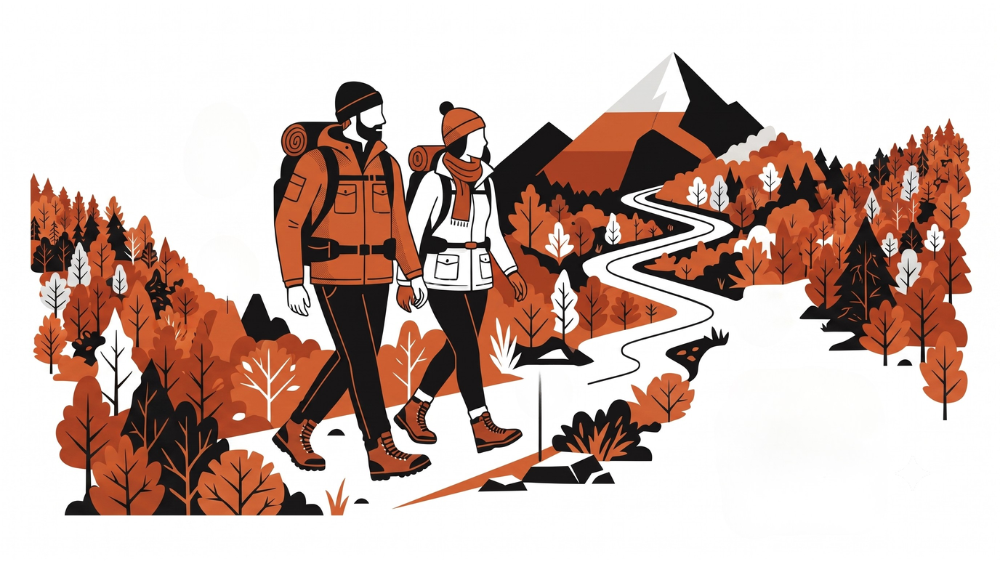
Pack a warm base layer and a packable rain jacket (fall brings its share of quick-moving showers), sturdy hiking shoes with real tread for wet leaf-covered trails, and a headlamp or flashlight since darkness falls noticeably earlier by late October. If you’re bringing your dog, pack a light jacket for them too if they’re short-haired or cold-sensitive — mountain mornings get colder than most home climates.
And don’t forget the swimsuit. Nothing beats sliding into a hot tub as the temperature drops and steam rises off the water into the cool evening air, string lights glowing on the porch above you.
What to Do: Fall’s Best Activities in the Smokies
Leaf-peeping drives. The classic Smokies fall activity, and for good reason. Newfound Gap Road, the Roaring Fork Motor Nature Trail, and the Cades Cove Loop are the three most iconic routes, each offering a different elevation profile and pace.
Dollywood’s Harvest Festival. Running through the fall season, Dollywood leans hard into the season with pumpkins, festival food, and live entertainment layered on top of its usual rides and shows. It’s a full-day commitment, so plan your cabin day around an early start and a late, slow return.
Car shows and rod runs. Pigeon Forge’s Fall Rod Run is one of the largest classic car shows in the country and draws serious crowds every September. If muscle cars and chrome are your thing (or your travel companion’s thing), we’ve put together a full guide to navigating the Smoky Mountain car shows this year, including where to park, what to expect, and how it affects local traffic.
Cider, wine, and a corn maze. There aren’t apple orchards in the Smokies for picking; Applewood Farmhouse Grill’s has orchards, but they aren’t open for public picking — they’re grown exclusively for Applewood’s own ciders and wines — but you can still taste the fall harvest at their restaurant and cider bar in Sevierville. For the classic corn-maze experience, head to Kyker Farms in Sevierville, the area’s one true corn maze and a genuinely fun half-day stop for kids and adults alike.
Wildlife watching. Elk are especially active and vocal in the fall rut, particularly around Cataloochee Valley and Oconaluftee. Bears are also more visible as they forage ahead of winter. Bring binoculars, keep your distance (300 feet minimum from bears and elk, no exceptions), and never approach wildlife for a photo.
Fall With Your Dog: What to Know Before You Go
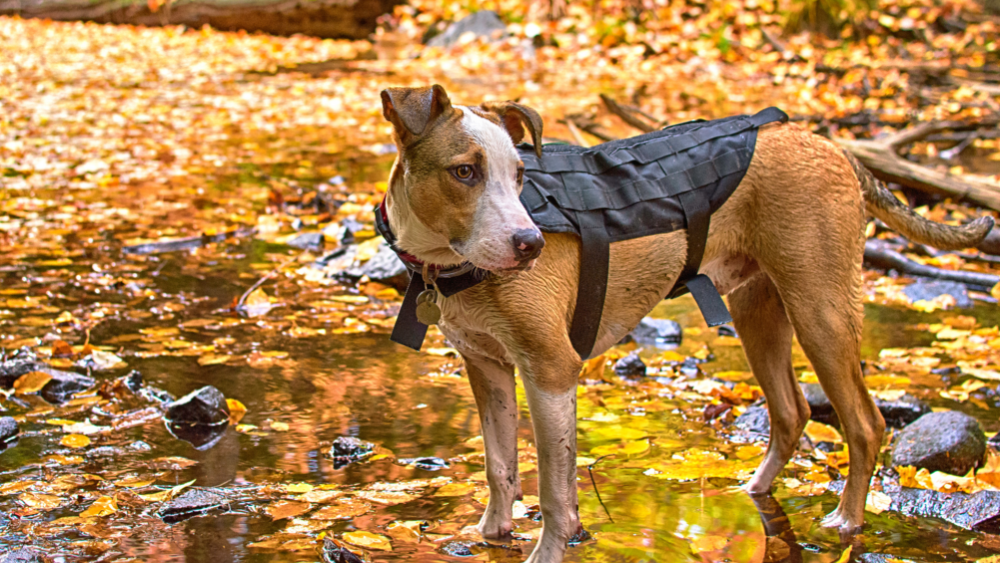
One thing every dog-owning family should know before booking a Smokies fall trip: the national park itself is one of the most restrictive in the country when it comes to pets. Dogs are only allowed on two short, paved trails inside the park, and are not permitted on the vast majority of backcountry trails, including many of the most popular fall foliage hikes.
That doesn’t mean your dog misses out on fall. There’s a whole world of pet-friendly trails and outdoor spaces just outside the park boundary where dogs are welcome, and we’ve mapped the best of them (along with what the park actually allows) in our full GSMNP dog policy guide. The short version: plan your dog-friendly hikes outside the park, and save the deep-woods trails for solo or human-only excursions.
Back at the cabin, though, your dog gets the full fall experience. Most Hapey properties feature fenced areas, so there’s no leash needed for a leaf-crunching afternoon of zoomies, and we never charge a pet fee — that’s our Pet Paradise Promise, and it doesn’t change by season.
Where to Stay: The Case for a Hapey Cabin This Fall
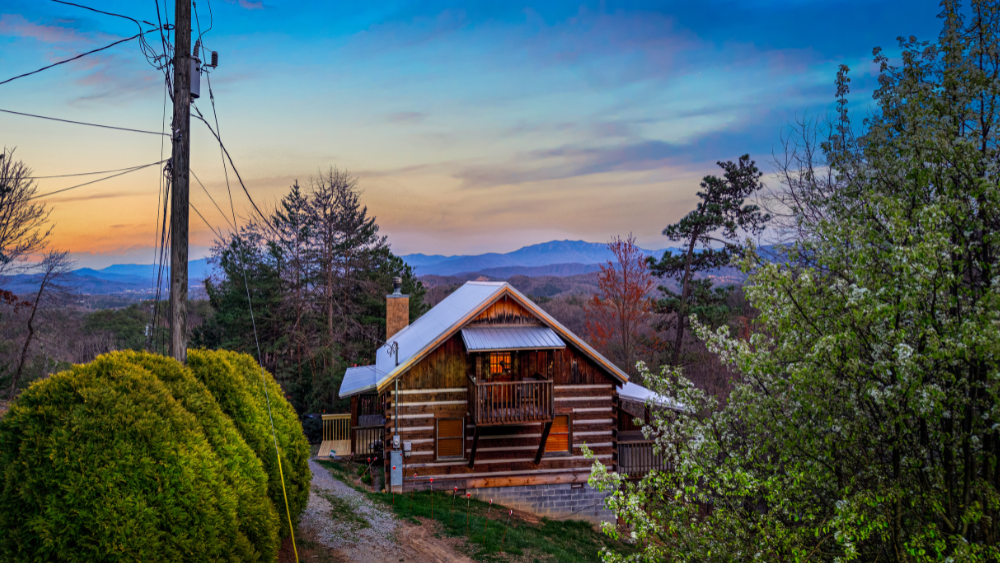
Hotel rooms don’t have a fenced space for your dog to stretch out in after a day of hiking. They don’t have a hot tub where you can watch the sun set behind a ridgeline gone orange and red. And they definitely don’t come with an arcade room for the inevitable rainy fall afternoon.
Our six properties — Blissful Tranquility, Timeless Tranquility, Little Bear, Sunny View Cabin, and Hapey Memories — are all pet-friendly, all but Little Bear feature fenced yards, zero pet fees, private hot tubs, and arcade games, starting at $179–199 a night. Every listing shows exactly what you’ll pay before you book: no resort fees that appear at checkout, no pet fees sprung on you after you’ve already packed the car. That’s our No-Surprise Pricing, and it’s non-negotiable for us.
We also stand behind our Clean-Cabin Guarantee. Between every stay, our cabins get a full deep clean, not a quick tidy-up, so you’re walking into a space that’s genuinely ready for your family (four-legged members included).
When to Book
Fall is, without question, the highest-demand season in the Smokies, and mid-October dates for the current or upcoming season often book out months in advance. If you have flexibility, early September and early November offer the best combination of good color, thinner crowds, and more availability. If your heart is set on peak mid-October color, the rule of thumb among repeat Smokies visitors is simple: book as early as you possibly can, then build your activity plan around avoiding the peak midday crowds once you arrive.
Ready to Plan Your Fall Trip?
Fall in the Smokies moves fast once the color starts climbing down the mountain — the best cabins for peak weeks go first. Browse our four pet-friendly properties, check real-time availability, and lock in your No-Surprise Pricing before the calendar fills up. Your dog’s fenced yard and your sunset-soaked porch are waiting.
Browse Fall Cabin Availability